
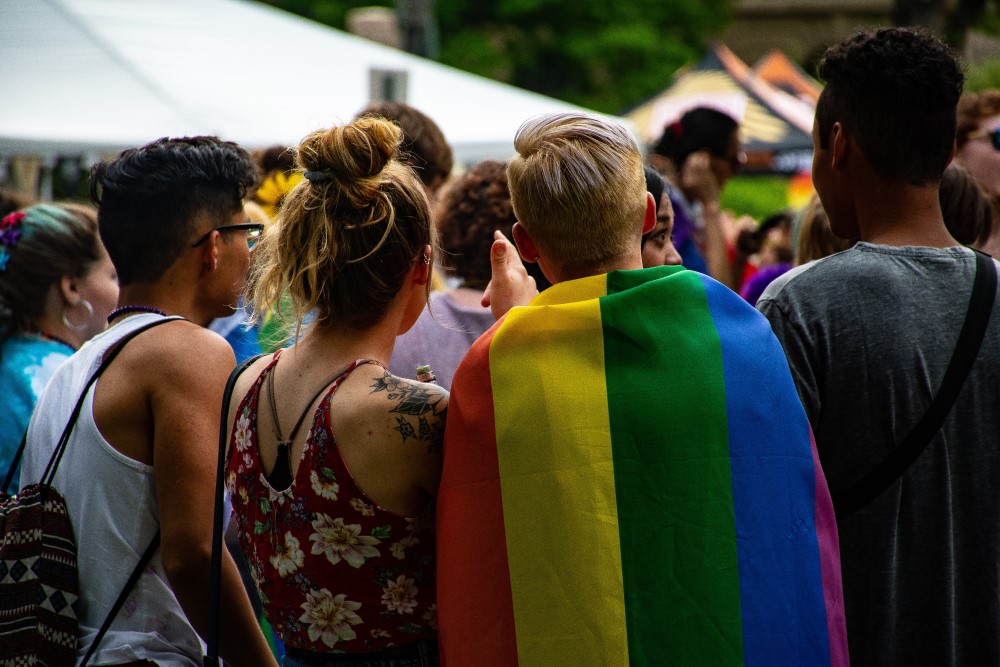
Credits to Brett Sayles
Laws that curb the rights of the LGBTQ community have been a source of controversy and conflict for decades. The fight for equality and basic human rights has been ongoing, and while significant progress has been made, there is still a long way to go. In this article, we will explore some of the laws that have been used to limit the rights of LGBTQ people in the United States and the impact they have had.
One of the most infamous examples of laws that curb the rights of the LGBTQ community is the Defense of Marriage Act (DOMA). This federal law, which was signed into law in 1996, defined marriage as a legal union between one man and one woman. This law prevented same-sex couples from receiving federal benefits that were available to opposite-sex couples, such as Social Security benefits and the ability to file joint tax returns. DOMA was finally taken down in 2013 by the Supreme Court in United States v. Windsor.
Another example of laws that curb the rights of the LGBTQ community is the so-called “bathroom bills.” These bills require people to use the bathroom that corresponds with the gender on their birth certificate, rather than their gender identity. Proponents of these bills argue that they are necessary to protect women and children from sexual predators, but opponents point out that there is no evidence to support this claim and that the bills only serve to stigmatize and discriminate against transgender people. Several states have passed such bills, including North Carolina, but most have been struck down by the courts as unconstitutional.
Conversion therapy is another practice that has been used to limit the rights of the LGBTQ community. This therapy, which aims to change a person’s sexual orientation or gender identity, has been widely discredited by medical and mental health organizations. Conversion therapy has been shown to be harmful, leading to depression, anxiety, and even suicide. Several states have banned conversion therapy for minors, but it is still legal in many states.
Another area in which laws have been used to curb the rights of the LGBTQ community is adoption and foster care. In some states, same-sex couples are prohibited from adopting or fostering children. This not only limits the ability of LGBTQ couples to start families, but it also prevents children from finding loving homes. In some cases, religious adoption agencies have been granted exemptions from anti-discrimination laws, allowing them to refuse to work with same-sex couples.
Hate crime laws have also been used to curb the rights of the LGBTQ community. While hate crime laws are intended to protect vulnerable groups, including LGBTQ people, they are often not enforced effectively. In some cases, prosecutors have been reluctant to pursue hate crime charges in cases involving LGBTQ victims, or judges have handed down light sentences to defendants. This sends a message that crimes against LGBTQ people are not taken as seriously as crimes against other groups.
In addition to these specific laws, there are many other ways in which the rights of the LGBTQ community are curbed. Discrimination in employment, housing, and public accommodations is still a widespread problem, despite the fact that several states have passed anti-discrimination laws. Transgender people face particular challenges, including discrimination in healthcare and barriers to changing their gender markers on legal documents.
It is important to note that the impact of these laws and practices is not limited to the LGBTQ community. Discrimination and intolerance have a negative impact on society as a whole. They create a climate of fear and hatred, and they prevent people from living their lives to the fullest. They also create a ripple effect, impacting families, communities, and future generations.
It is also worth noting that laws that curb the rights of the LGBTQ community are often based on a narrow view of what constitutes “normal” or “acceptable” behavior.
One recent law that has garnered controversy is the “Fairness in Women’s Sports Act,” which was passed in several states, including Florida, Mississippi, and Arkansas. The law requires transgender athletes to compete in sports teams that align with their biological sex, effectively barring transgender women from participating in women’s sports teams.
Critics of the law argue that it is discriminatory and violates the rights of transgender individuals, who may face exclusion and discrimination in other aspects of their lives. Supporters of the law argue that it is necessary to maintain fairness in women’s sports and prevent transgender athletes from having an unfair advantage.
Another recent law that has been widely criticized is the “Conversion Therapy Ban,” which has been enacted in several states, including California, New York, and New Jersey. The law prohibits licensed therapists from performing conversion therapy on minors, which is a controversial practice aimed at changing a person’s sexual orientation or gender identity.
Critics of the law argue that it infringes on the rights of parents to make decisions for their children and violates the freedom of speech and religion of therapists who offer conversion therapy. Supporters of the law argue that conversion therapy is harmful and ineffective and that minors should be protected from the potential harm caused by the practice.
In addition to these laws, there are also various state-level laws that allow individuals and businesses to refuse service to LGBTQ individuals based on religious or moral beliefs. For example, the Mississippi “Protecting Freedom of Conscience from Government Discrimination Act” allows individuals and businesses to deny service to LGBTQ individuals if it goes against their religious beliefs.
These laws have been met with widespread criticism and accusations of discrimination. Supporters of the laws argue that they protect religious freedom and individual rights, while critics argue that they perpetuate discrimination and inequality.
Overall, laws that curb the rights of the LGBTQ community continue to be a contentious issue in the United States. While some argue that they are necessary to protect religious freedom and fairness, others argue that they perpetuate discrimination and inequality. As society continues to evolve and become more accepting of LGBTQ individuals, it remains to be seen how these laws will be challenged and changed in the future.