
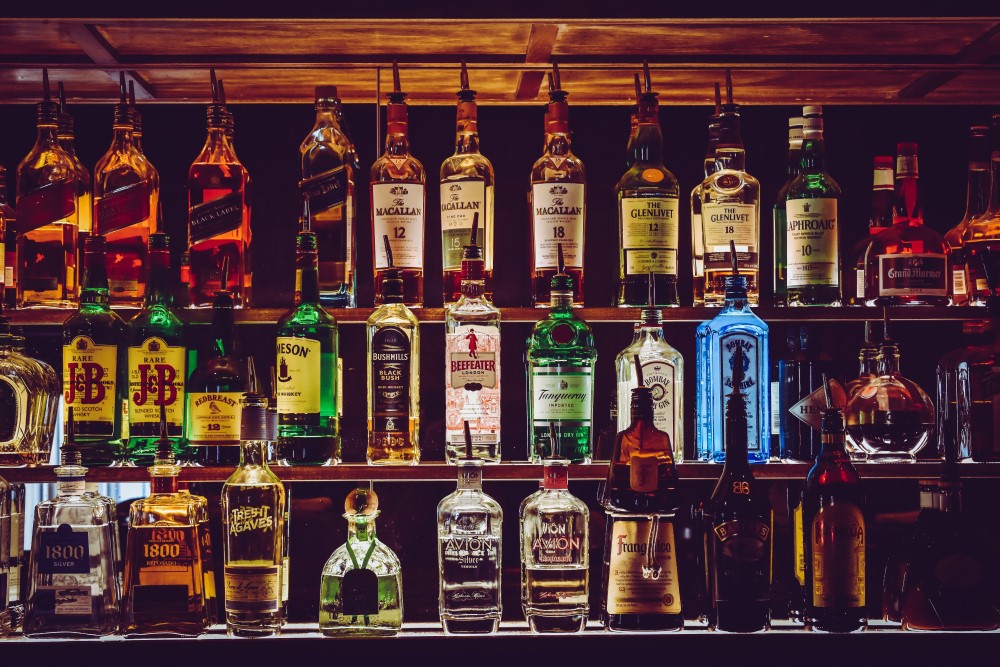
Credits to Chris F
The Prohibition of Alcohol is a good example of an old law that needed to be changed. It was enacted in 1920 with the passage of the 18th Amendment to the United States Constitution. This amendment banned the manufacture, sale, and transportation of alcohol in the country, in an attempt to reduce crime and improve public health.
Prohibition of Alcohol in the United States was a period from 1920 to 1933, when the sale, manufacture, and transportation of alcohol was banned under the 18th Amendment to the United States Constitution. The law was implemented with the intention of reducing crime rates and improving public health, as many people believed that alcohol consumption was the root cause of social problems such as poverty, violence, and disease.
However, the Prohibition of Alcohol was a failure in many respects. Instead of reducing crime, it actually increased organized crime and led to the rise of illegal alcohol production and consumption, as people continued to drink. The ban was also difficult to enforce, and many Americans resented the government’s intrusion into their personal lives. The loss of tax revenue from legal alcohol sales was also a significant economic hardship, particularly during the Great Depression.
The Prohibition of Alcohol also had unintended consequences for public health. Since alcohol was banned, many people turned to other substances such as opium and cocaine, which were legal at the time. Additionally, the ban created a black market for alcohol that was often of poor quality and potentially dangerous.
The repeal of the Prohibition of Alcohol in 1933 was a significant moment in American history, as it demonstrated the need to reassess and change laws that are no longer effective or in the best interest of the country. The repeal was largely driven by the need to generate revenue during the Great Depression, as well as the realization that the law was causing more harm than good.
Today, the Prohibition of Alcohol serves as a cautionary tale of the unintended consequences of government regulation and the importance of balancing public health concerns with individual freedoms. It also demonstrates the need for ongoing reassessment of laws and policies in order to ensure that they are serving the common good.
As mentioned, the Prohibition of Alcohol was ultimately a failure, as it led to an increase in organized crime and illegal alcohol production and consumption. The law was difficult to enforce, and many Americans continued to drink despite the ban. Additionally, the loss of tax revenue from legal alcohol sales was a significant economic hardship, particularly during the Great Depression.
As a result, the Prohibition of Alcohol was repealed in 1933 with the passage of the 21st Amendment to the Constitution. This amendment allowed for the legal sale and consumption of alcohol once again, and helped to bring an end to the era of Prohibition.
The repeal of the Prohibition of Alcohol was an important moment in American history, as it demonstrated the need to reassess and change laws that are no longer effective or in the best interest of the country. It also showed the importance of individual liberties and the need to balance public health concerns with personal freedom.
Repealing a Law
Repealing a law can be a difficult and complex process. It requires the support of the legislative body responsible for passing the law, as well as the executive branch that enforces it. Depending on the country or jurisdiction, the process of repealing a law may involve various stages, including drafting a bill, introducing it to the legislative body, and gaining sufficient support for it to pass.
In some cases, repealing a law may require amending the constitution or other legal documents, which can be a lengthy and challenging process. Additionally, there may be opposition to the repeal of a law from interest groups or other stakeholders who benefit from the status quo.
Repealing a law may also require a significant amount of public support, particularly if the law has been in place for a long time or is controversial. This can involve raising awareness about the negative impacts of the law and building a coalition of supporters to advocate for its repeal.
Overall, repealing a law can be a complex and challenging process, but it is an important mechanism for ensuring that laws are serving the common good and are in line with changing societal values and needs. We must be responsible citizens and take a stand!
When we see something that is wrong or unjust, it is our duty to take action and speak out in support of what is right.
Taking a stand for what is right can have a positive impact on society, both in the short-term and the long-term. It can inspire others to take action and promote change, and it can also help to create a more just and equitable society.
At times, standing up for what is right can be challenging and may involve taking personal risks or facing opposition. It can also be emotionally and mentally taxing, as it may require confronting difficult issues and engaging in challenging conversations.
However, the benefits of standing up for what is right far outweigh the potential challenges. By speaking out and taking action, we can create a better world for ourselves and future generations. We can promote values such as justice, equality, and human rights, and ensure that our society is grounded in the principles of fairness and compassion.
Standing up for what is right can also help to build our own character and self-esteem. When we take action in support of our values, we are reinforcing our own sense of identity and purpose, and demonstrating our commitment to living a meaningful and purposeful life.
Standing up for what is right is an essential aspect of being a responsible and engaged citizen. It can have a positive impact on society and help to create a more just and equitable world. While it may be challenging at times, the benefits of taking action and speaking out far outweigh the potential costs. By standing up for what is right, we can help to create a better world for ourselves and future generations.